Specialty Insurance Program Reviews for Marine, Aviation & Aerospace Businesses
I help marinas, shipyards, waterfront contractors, FBOs, MROs, aerospace suppliers, and other technical operators review policy wording, exclusions, contracts, claims scenarios, and underwriting strategy before renewal or after a major operational change.
Led by Bryce Lockerson through Cothrom Risk & Insurance Services. U.S. Navy Veteran · ADCI Member · Fort Lauderdale-based · National reach subject to licensing, market access, and underwriting.
AMA Risk is a specialty practice of Cothrom Risk & Insurance Services.
- U.S. Navy Veteran
- ADCI Member
- MIASF Member
- Fort Lauderdale-Based, National Reach
- Cothrom Risk & Insurance Services
- Big ‘I’ Best Practices Top Performer recognition
Affiliations and memberships are listed for informational purposes only and do not imply endorsement. Big ‘I’ Best Practices recognition is referenced for informational purposes and subject to the terms and context of the issuing organization.
When standard commercial placement breaks down.
Policy wording doesn’t match the operation
Generic ISO forms, exclusions, definitions, and sublimits that were never designed for how the business actually runs.
Contracts and certificates create obligations the policy may not follow
Additional insured wording, waivers, primary/non-contributory, and indemnity language that the underlying policies don’t actually support.
The submission doesn’t explain the risk to specialty underwriters
Accounts marketed like standard commercial business when they should be positioned to underwriters who actually write the class.
Why generic commercial programs break down for technical operations.
The issue is rarely just price. It is whether the policy wording, exclusions, endorsements, contracts, and claims process match how the operation actually runs.
Renewal handled with a short phone call.
No review of contracts, warranties, or regulatory obligations.
Generic forms used for technical operations.
Submission does not explain the real operation to underwriters.
Claims process unclear until a loss occurs.
Standard Commercial Placement
- Application-first
- Broad market submission
- Generic GL/property framing
- Limited contract review
- Limited claims scenario planning
- Renewal-driven process
Specialty Program Design
- Operation-first
- Specialty market positioning
- Coverage wording review
- Contract and regulatory review
- Claims scenario mapping
- Ongoing advisory process
Industries served.
AMA Risk works with technical commercial accounts where contracts, assets, operations, claims scenarios, and specialty-market positioning matter.
Marine & Maritime
Marinas, shipyards, yacht service, waterfront contractors, commercial diving, towing/salvage, vessel operators, terminals.
Aviation
FBOs, MROs, Part 135 operators, flight schools, hangar owners, avionics, aircraft services, UAS, GSE.
Aerospace & Defense
Component manufacturers, composites, propulsion, avionics, satellites, eVTOL, defense contractors, government suppliers.
Specialty Manufacturing
Technical manufacturers with products liability, recall, contractual indemnity, and quality-control exposure.
Transportation & Logistics
Carriers, brokers, freight forwarders, warehousing, and logistics operators with cargo, auto, and contract exposure.
High-Consequence Commercial Risk
Energy-adjacent operations, rugged electronics, autonomous systems, and other technical businesses where failure modes are severe.
What a Specialty Program Review Includes
A Specialty Program Review starts with how the business actually operates, then compares the current insurance program against the exposures, contracts, assets, people, and claims scenarios that drive the account.
Policy Structure
Review how the current program is organized across liability, property, auto, inland marine, excess, specialty lines, and industry-specific coverage.
Wording, Exclusions & Endorsements
Identify exclusions, endorsements, warranties, definitions, sublimits, and conditions that may affect how coverage responds.
Contracts & Certificates
Review insurance requirements, additional insured wording, waivers, primary/non-contributory language, indemnity obligations, and certificate issues.
Claims Scenarios
Consider how realistic loss scenarios could develop and whether the program is built to respond before a dispute occurs.
Market Positioning
Evaluate whether the account is being presented clearly to underwriters who understand the actual operation.
Renewal Strategy
Identify negotiation points, documentation needs, market opportunities, and recommendations to strengthen coverage or improve competitiveness.
Examples of what a Specialty Program Review can uncover.
These anonymized examples show the types of issues that may come up when technical commercial accounts are treated like standard placements.
- Account type
Marine contractor
Issue foundStandard GL did not reflect over-water work, subcontractor exposure, USL&H/MEL issues, or pollution concerns.
Review focusPolicy wording, endorsements, contract requirements, operational story, and market positioning.
- Account type
Aviation services firm
Issue foundProperty and GL program did not fully explain aircraft custody, hangarkeepers exposure, GSE, or work performed around customer aircraft.
Review focusPremises, hangarkeepers, products/completed operations, contracts, and claims scenarios.
- Account type
Aerospace supplier
Issue foundAccount marketed like general manufacturing despite contractual, component-performance, quality-control, and downstream financial exposure.
Review focusProducts liability, recall, impaired property, E&O, cyber, government contracting, and contractual risk transfer.
Examples are anonymized and illustrative only. They do not guarantee coverage, pricing, market availability, claim outcomes, or similar results.
Method first. Forms second.
Most brokers start with forms. I start with the operation. The goal is to understand how the business actually works before deciding how the account should be positioned, structured, and marketed.
Five steps from operational review to specialty-market placement.
Operational Deep-Dive
Understand what the business actually does, who it serves, where the work happens, and what can go wrong.
Exposure Mapping
Identify the contracts, operations, assets, people, regulatory obligations, and claim scenarios that drive the account.
Program Architecture
Match coverage structure, limits, endorsements, and exclusions to the actual risk profile.
Specialty Market Placement
Position the account in front of underwriters who understand the operation instead of treating it like a generic commercial account.
Ongoing Risk Management
Stay involved through renewals, contract changes, operational changes, and claims.
A broker should still be there when the claim hits.
Coverage is tested when something goes wrong. I stay involved with claim reporting, documentation, stakeholder coordination, reservation-of-rights review, wording analysis, and communication between the client, carrier, adjuster, counsel, and other parties.
For technical commercial accounts, claims often involve more than a simple notice of loss. The outcome can depend on documentation, policy wording, contracts, operational facts, and how clearly the claim is presented.
- Vessel damage
- Ship repairers’ liability
- Customer property damage
- Product failure allegations
- Cargo and inland marine losses
- Pollution incidents
- Contractual indemnity disputes
- Business interruption issues
- Reservation-of-rights letters
- Carrier, adjuster, counsel & stakeholder coordination
Claims advocacy means support, coordination, documentation, and policy-wording review. It does not guarantee coverage, claim payment, or any specific outcome, and it is not a substitute for legal representation.
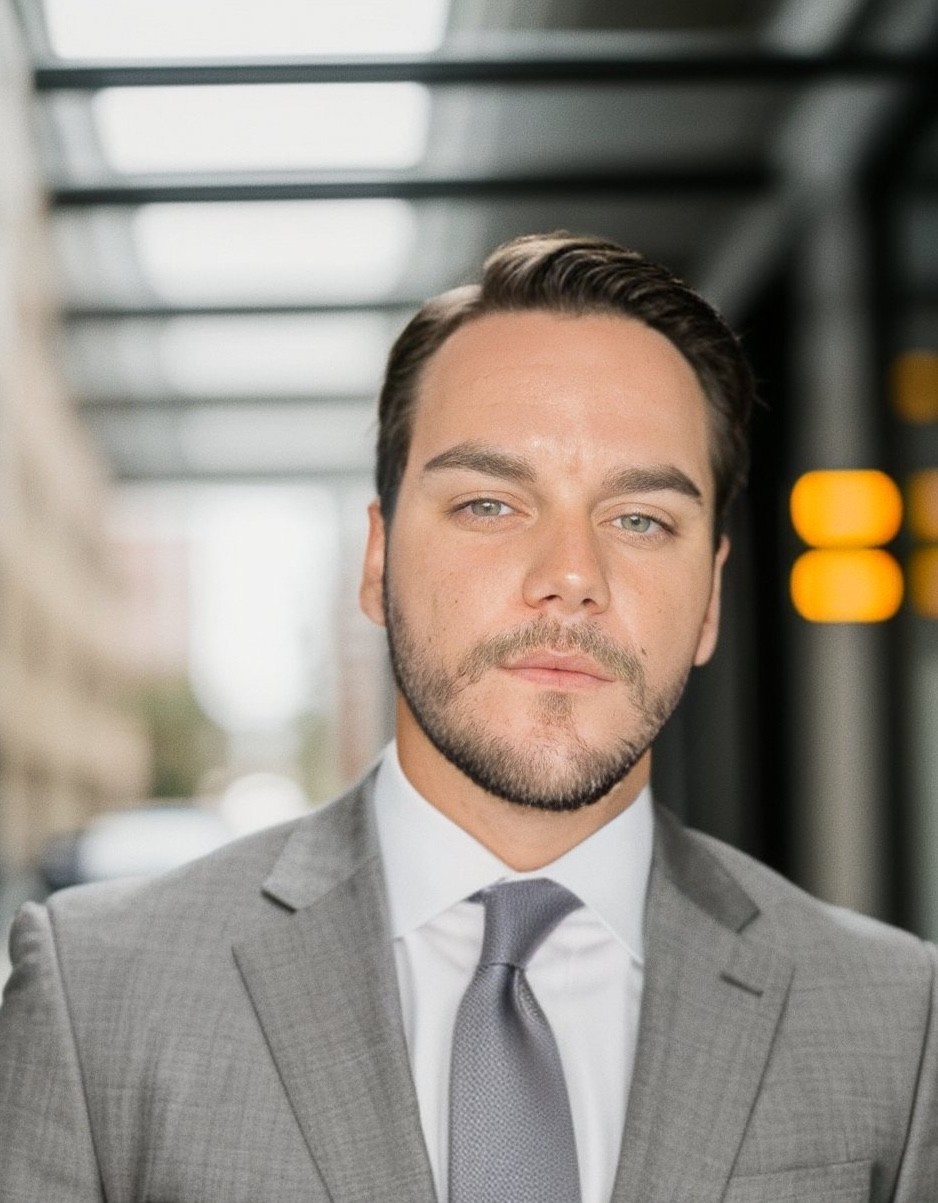
Specialty guidance led by Bryce Lockerson.
AMA Risk is the aviation, marine, and aerospace specialty practice led by Bryce Lockerson through Cothrom Risk & Insurance Services. Bryce is a U.S. Navy Veteran, ADCI member, and Fort Lauderdale-based commercial insurance broker focused on technical and high-consequence accounts.
Cothrom Risk & Insurance Services — Big “I” Best Practices Top Performer
Cothrom Risk & Insurance Services has been listed through the Big “I” / Reagan Consulting Best Practices Agency study for 2019–2025. See the listing.
- 2019
- 2020
- 2021
- 2022
- 2023
- 2024
- 2025
Not ready to send policies yet?
Download the Specialty Commercial Insurance Program Review Checklist and see the issues that are commonly missed when marine, aviation, aerospace, and technical commercial accounts are treated like generic placements.
Frequently asked questions
AMA Risk helps technical commercial businesses review, structure, and position insurance programs for specialty markets.
Answers are educational summaries only. They do not modify policy terms, conditions, or exclusions, and they do not constitute legal, tax, insurance, or risk-management advice.
What happens after you request a review?
- 01
You send your current program, renewal date, and top concern.
- 02
I review the structure and identify what may need attention.
- 03
We discuss whether a deeper review or market strategy makes sense.
Request a Specialty Program Review.
Start with your declarations pages, schedules, renewal date, and top concern. I’ll review the structure, identify what may need attention, and tell you what else is needed for a deeper program review.
Submitting information through this website does not bind, change, cancel, or confirm insurance coverage and does not create a broker-client relationship unless confirmed in writing. Do not submit urgent claims, coverage-change requests, cancellation requests, or binding instructions through this form.